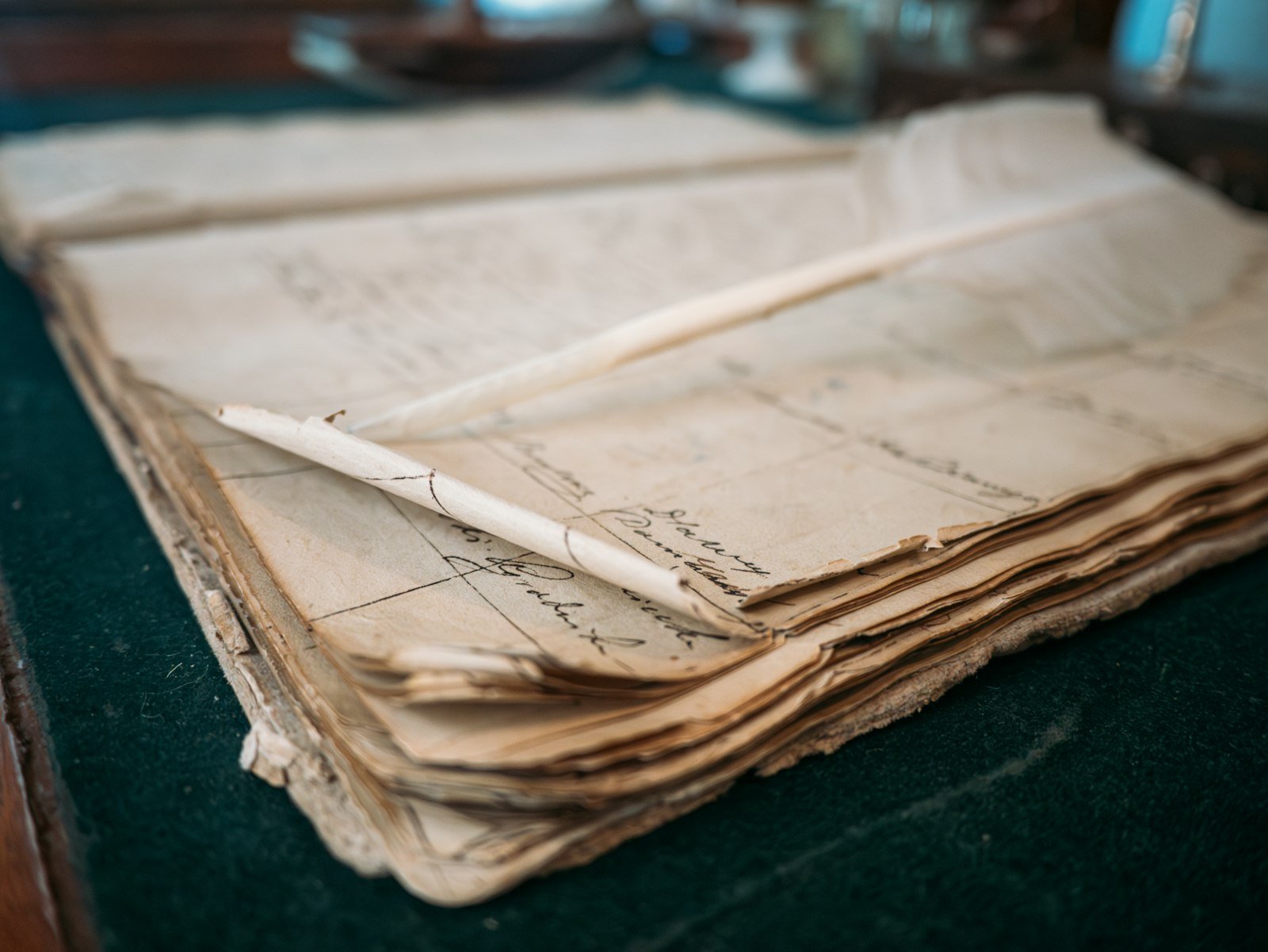
For family historians, an old NSW death certificate is one of the most valuable documents there is. A single certificate can name the person’s parents, their spouse, every child, where they were born overseas, and where they were buried. That’s three generations on one page.
But it’s also one of the least reliable documents, for a simple reason: the person it’s about wasn’t there to give the details. This guide goes through each field, what it tells you, and how far to trust it.
Quick answer: Check who the informant was first, because they supplied every detail. Name, date and place of death and burial place are usually reliable. Age and birthplace are estimates, and parents’ names are often wrong, so treat them as leads and confirm them from the person’s marriage record.
First, find out who the informant was
Before reading anything else, look for the informant: the person who gave the details to the registrar. It’s usually a husband, wife, son or daughter, but sometimes a neighbour, an undertaker or a hospital official.
The informant decides how much to trust everything else. A spouse of fifty years probably knew the children’s names, but may never have known their in-laws’ names. A hospital clerk may have known almost nothing. Read every field with the question “would this person have known?”
The fields, one by one
Older NSW death certificates can include the following. Early ones especially sometimes leave fields blank, even where there’s a space for them.
Name, date and place of death
Trust: high. These were recorded close to the event. The place can be very specific, down to a street address, hospital or property name, which is a lead for land records and local newspapers.
Age
Trust: medium. It’s an estimate from the informant, and older people’s ages were often a few years out. Use it to set a birth-year range of about five years either side, not an exact year.
Occupation and residence
Trust: high. Useful for telling apart two people with the same name, and for finding them in electoral rolls and directories.
Cause of death
Trust: varies. Often written in old medical terms, such as “phthisis” for tuberculosis or “senile decay” for old age. Worth looking up, and it may explain a family story.
Parents’ names
Trust: low to medium. This is the field researchers want most, and the one most often wrong. A widow giving details of her late husband’s parents, who died overseas decades earlier, may only have known their first names, or guessed. A mother’s maiden name is especially prone to errors.
Treat parents’ names as a strong lead, then confirm them from a record made in the person’s own lifetime, ideally their marriage certificate.
Birthplace
Trust: medium. Often just a county or country, such as “Co. Clare, Ireland” or “Yorkshire”. It’s the key clue for tracing a migrant back overseas, and an Australian death certificate is often the only document that records it.
Marriage details and spouse’s name
Trust: medium. Can give where the marriage took place, the age at marriage, and the spouse’s name. This tells you exactly where to search for the marriage record, which in turn names both sets of parents.
Children’s names and ages
Trust: medium to high. Older certificates often list living children with their ages, and note how many children had died. This is the best single list of a family you’ll find, and the deceased count tells you how many children you’re still missing.
Burial place
Trust: high. Names the cemetery and sometimes the minister and undertaker. Cemetery records can give a plot number, which can lead to other family members buried in the same grave.
A worked example (illustrative)
This example is made up to show the method, not a real certificate.
Thomas Kelly died at Junee in 1908, aged “about 70”. The informant was his son. The certificate gives his birthplace as Tipperary, his parents as “John Kelly, farmer, and Mary, maiden name unknown”, his marriage at Goulburn at age 24, and six living children with three deceased.
Here’s how to read it:
- Birth year: “about 70” means born roughly 1833 to 1843. Not exact.
- Parents: a son knew his grandfather’s name but not his grandmother’s maiden name. That’s the gap to fill next.
- Next record: a Goulburn marriage at age 24 points to roughly 1857 to 1867. That marriage record, made while Thomas was alive and present, should name both his parents properly.
- Missing children: six listed plus three deceased means nine births to find in the BDM index.
How to get the certificate
First, find the death in the free NSW BDM index, which covers deaths more than 30 years ago. The index gives the registration number. Then either order a historical certificate copy from the NSW Registry for a fee, or use a family history transcription agent, which is often cheaper and gives you the details typed out.
Related: How to search NSW BDM for free · Finding death notices on Trove · Family History Glossary · All Births, Deaths & Marriages guides
Sources: NSW Government: Family history search guide · Graham Jaunay: What you can expect to see on a historical certificate · National Library of Australia: Births, deaths and marriages